
The construction industry is changing at a high rate as the demand for sustainable, durable, and cost-effective construction materials increases. Fly ash bricks are a few of the numerous inventions in construction technology that became very popular. Such bricks are made out of industrial waste from thermal power plants, and they are also commonly used in today's construction. Fly Ash Brick Plant is also a very important component of the contemporary construction industry, as it helps to make these bricks in a very efficient and consistent manner.
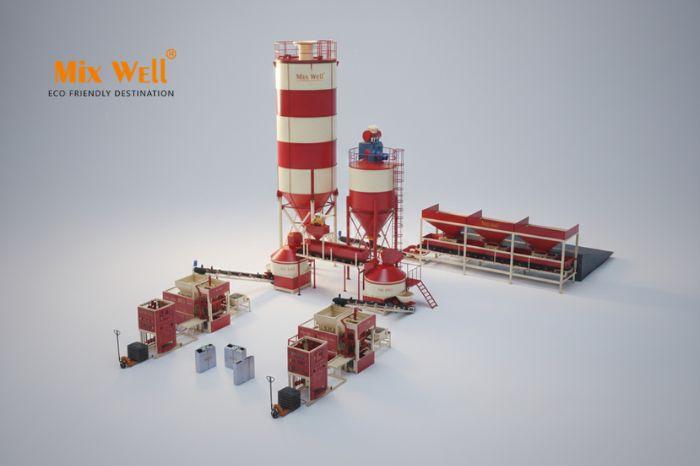
A Fly Ash Brick Plant is a production facility that is intended to create bricks from fly ash, cement, sand, and water. The plant has a variety of machines and units, which include batching units, mixers, brick molding machines, conveyors, and curing. These are the components that combine to make strong and durable construction bricks out of the raw materials.
The plants that currently use fly ash bricks are usually semi-automatic or fully automatic. The automation assists in better efficiency in the production, the uniformity of the quality of bricks, and a decreased amount of the manual workforce.
The fly ash bricks have been an option of preference in construction by builders and developers because it possesses several strengths over the regular clay bricks. They are stronger in compressive properties, less absorbent in water and have smooth finish. Due to their homogenous size and shape they minimize the use of mortar, as well as accelerate the building process.
Sustainability is another major factor. The fly ash is a by-product of thermal power plants; therefore, using it in composing bricks helps lower industrial waste. This renders fly ash bricks a viable construction material for modern building projects in regard to their environmental friendliness.
A Fly Ash Brick Plant has a working process that consists of a number of steps in order to produce bricks of high quality.
1. Raw Material Feeding
It starts by feeding raw materials, which include fly ash, cement, sand, and aggregates, into the hopper of the plant. These materials are measured in their right proportion by automatic batching systems.
2. Mixing Process
The measured materials are then moved to a mixer, where they are mixed with water to make a homogeneous mixture. The mixing will provide good adhesion of the particles and make the bricks strong and durable.
3. Brick Molding
The compound material is then transferred to the brick molding machine. The bricks are made to have the required shape and size under high pressure and vibration. The process eliminates air bubbles and enhances the density of the bricks.
4. Brick Stacking and Handling
The bricks are then molded, and the molded product is automatically ejected by conveyors to stacking spaces. Automation saves manpower and enhances the speed of production.
5. Curing Process
Lastly, the bricks are collected in curing Yards or curing chambers. As a part of curing, several days are taken during which water or steam is used to enhance the strength and durability of the bricks.
A Fly Ash Brick Plant has a number of advantages for the manufacturers of construction material:
Large Production Capacity: The plant will be able to manufacture thousands of bricks in a single day, which will satisfy the needs of large building projects.
Uninterrupted Quality: Automation presents uniformity in the size, strength, and finishing of the bricks.
Eco-Friendly Production: Uses industrial waste and decreases pollution of the environment.
Cost Efficiency: It is cost-effective in terms of the price of raw materials, and the manpower requirements are reduced.
Durability: Fly ash bricks are compressive with high service life.
These benefits render fly ash brick plants a valuable investment for construction firms and makers of bricks.
A Fly As Brick Plant manufactures bricks that are readily applicable in any of the following construction works:
Cottage buildings and housing projects.
Business parks and office facilities.
Intricate buildings and factories.
Roads, pavements, and boundary walls.
State infrastructure developments.
They are strong, smooth-fit, and have similar dimensions, which makes them appropriate for both load-bearing and non-load-bearing walls.
As the awareness of sustainable buildings and environmental protection is increasing, the demand for fly ash bricks will increase further. A similar drive to use fly ash bricks in construction projects by governments and environmental agencies can help decrease the usage of natural clay.
This is making fly ash brick plants more sophisticated, which are more automated and have higher production capacity and energy efficiency. Such a technological advancement will still empower the construction sector in making building materials that are environmentally friendly.
The Fly Ash Brick Plant is an important part of contemporary construction as it offers a good, reliable, and sustainable solution to the manufacturing of bricks. The plant produces quality bricks that are applicable in different constructions through automated processes that include mixing of materials, molding, and curing of the material. Fly ash brick plants are also turning into a necessary element of the modern construction industry because of their advantages, such as high production capacity, cost-effectiveness, and environmental sustainability. Such investments in technology not only enhance the production of bricks but also make the building practices green and efficient.
The construction sector is expanding at a fast ...
Read More
The construction industry requires good buildin...
Read More
As cities expand at a fast rate and more and mo...
Read More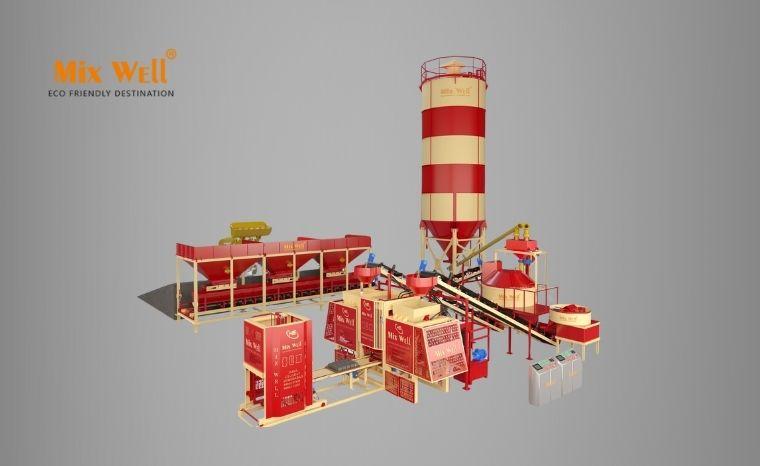
The construction industry is taking a new trend...
Read More
Fly ash bricks have gradually gained importance...
Read More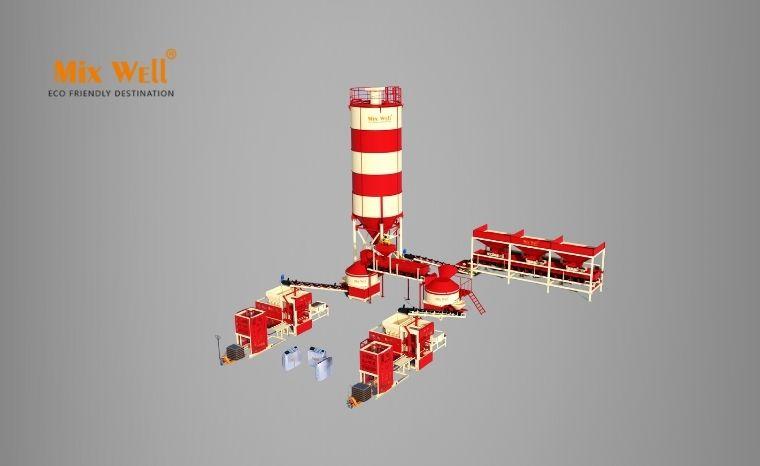
The building sector is shifting quickly towards...
Read More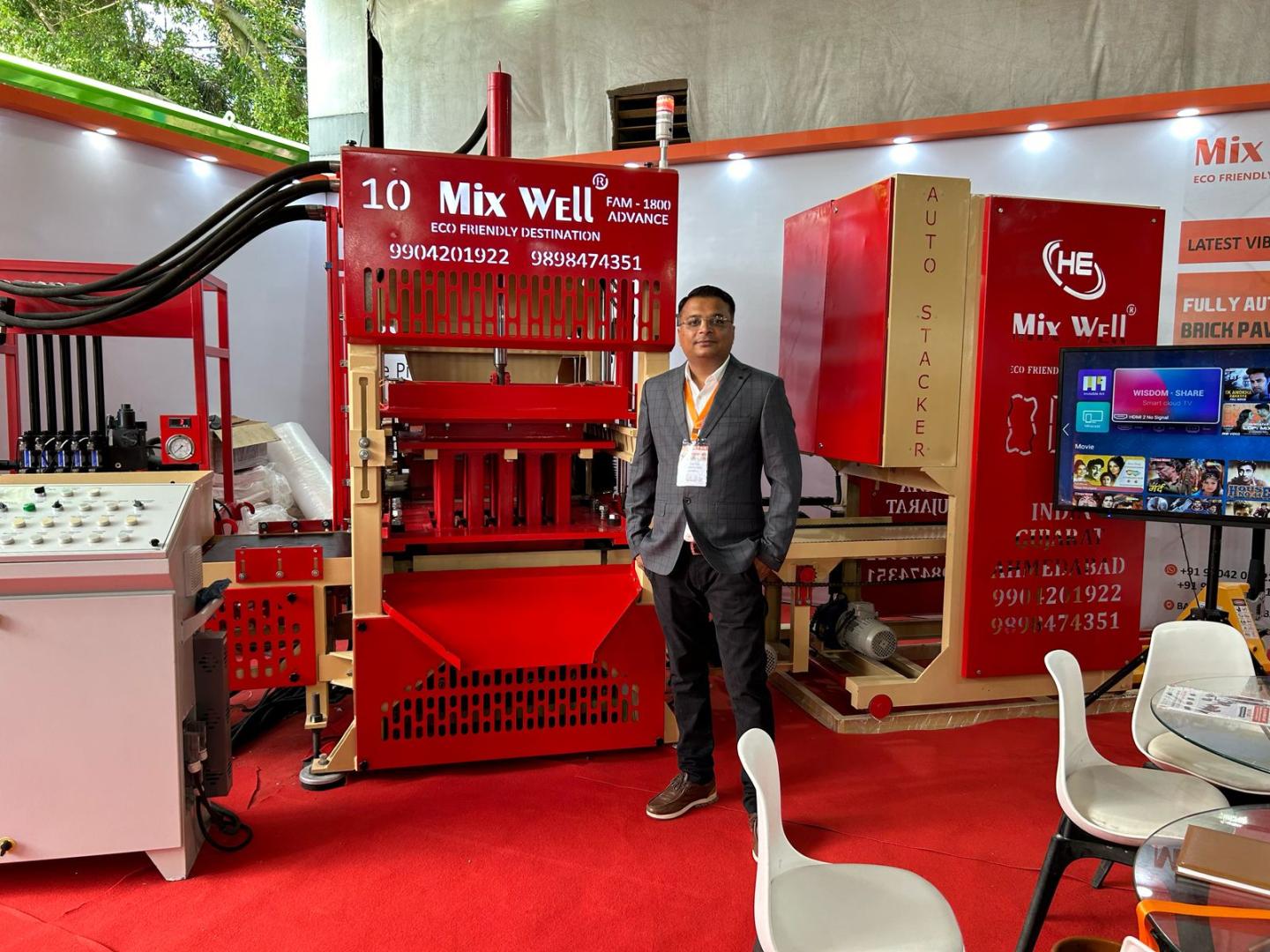
Brick Machinery is an industry that is in the b...
Read More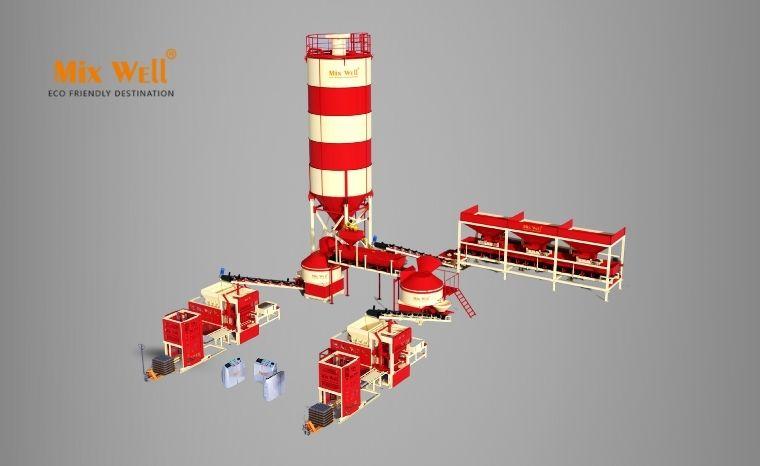
The use of paver blocks is more acceptable as c...
Read More
The construction industry is changing at a high...
Read More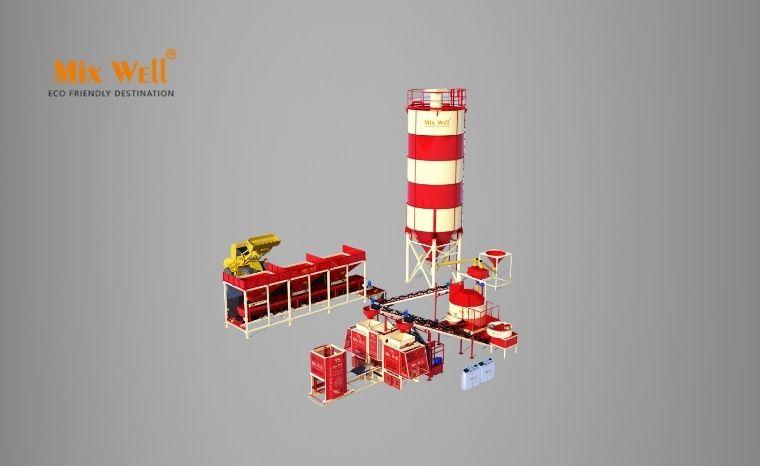
The building industry is now shifting towards b...
Read More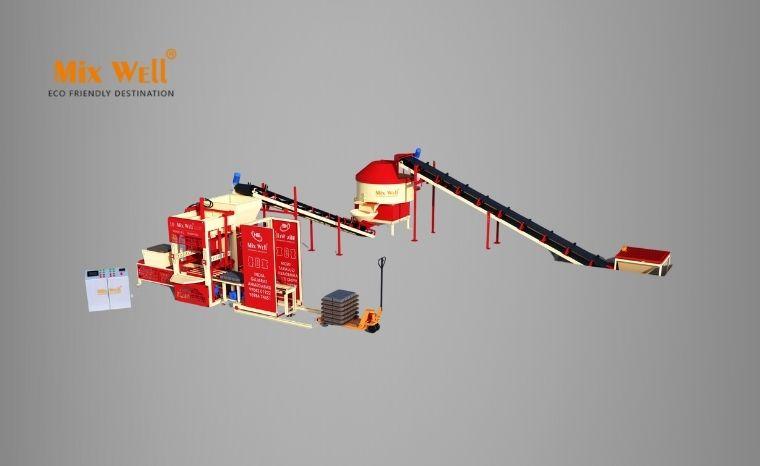
The construction business requires swiftness, p...
Read More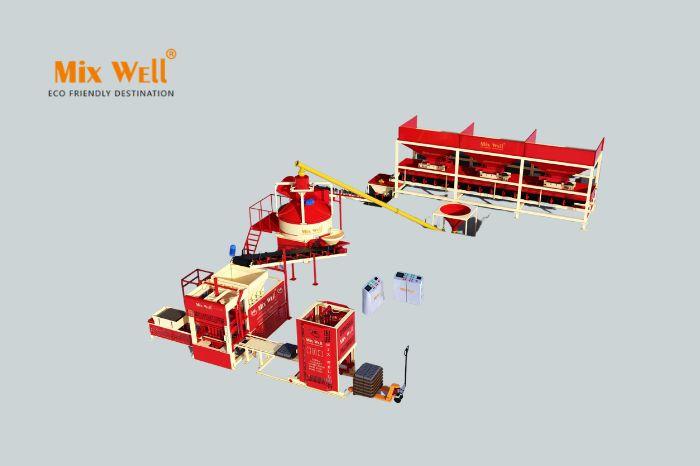
The construction industry keeps changing due to...
Read More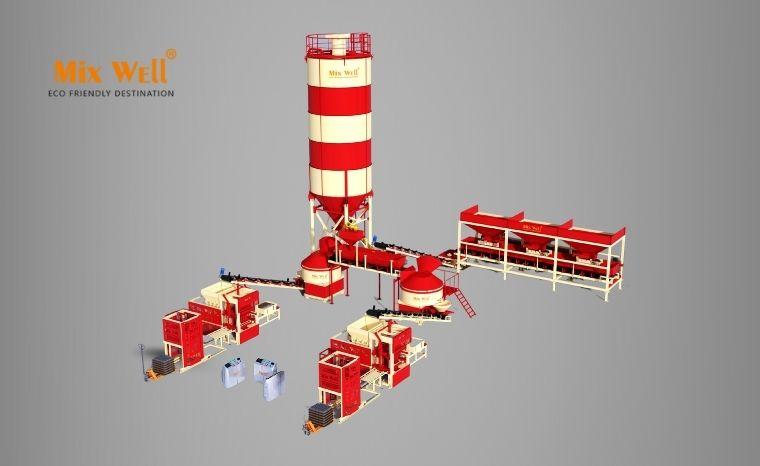
The demand for building materials that are stro...
Read More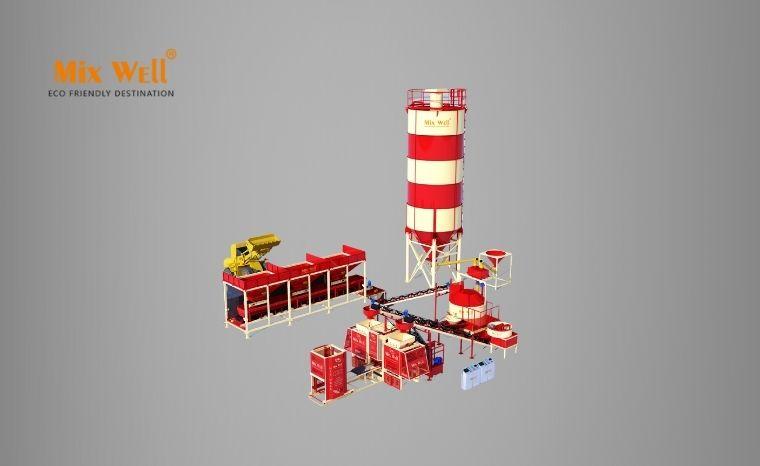
The construction business is also becoming very...
Read More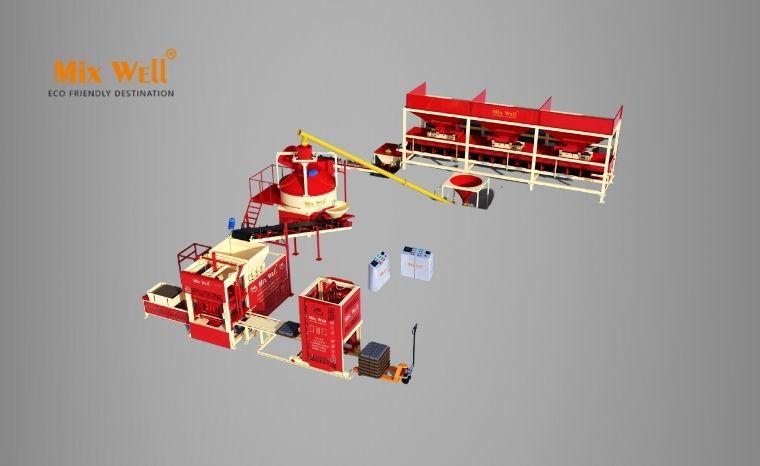
Due to the rising infrastructure needs, the con...
Read More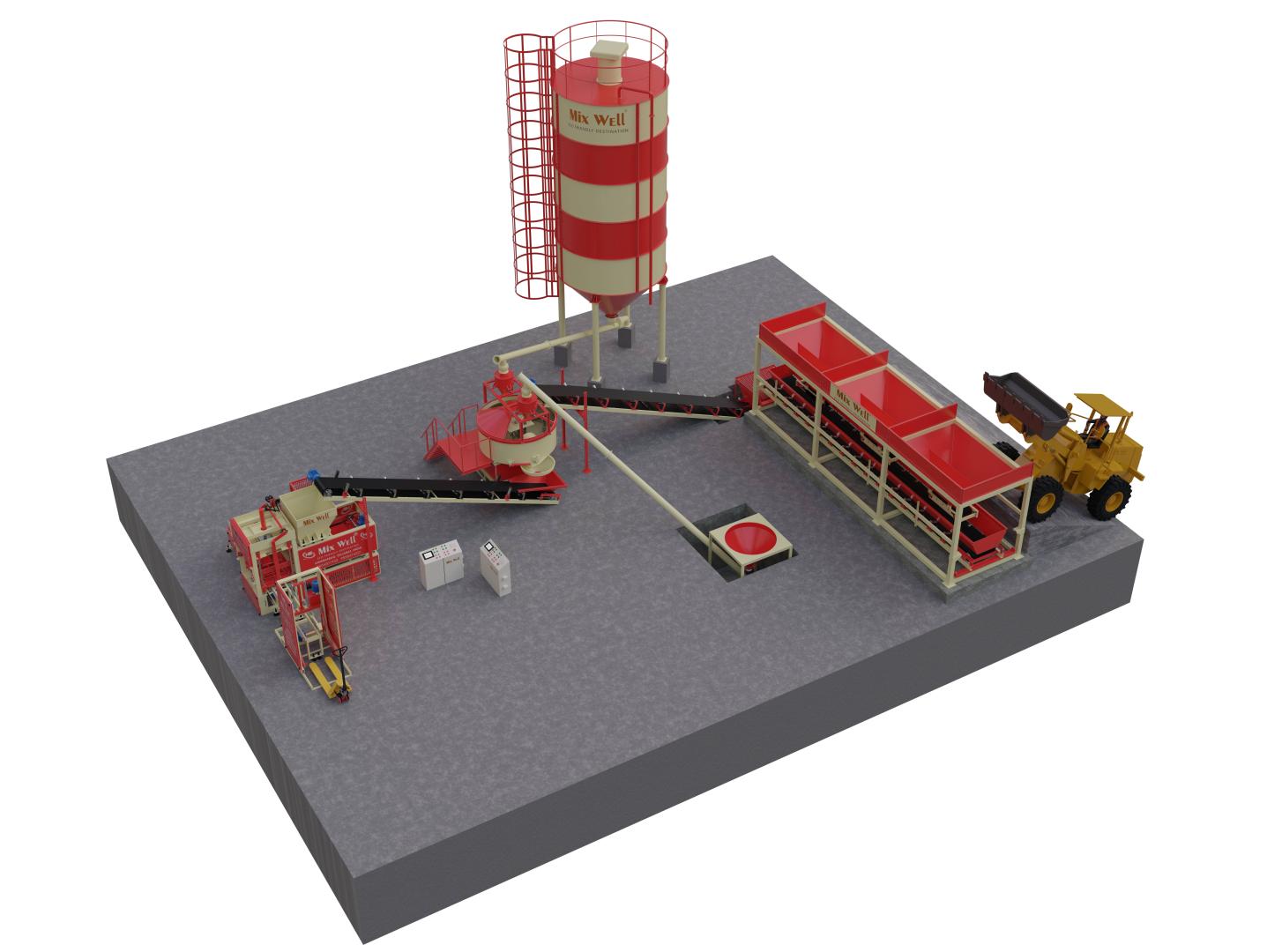
The rising market need for sustainable building...
Read MoreⓒCopyright 2024 Mix Well. All rights reserved
Developed By SM Infosoft


